


Technology is no longer a separate budget line or optional enhancement — it is modern infrastructure. As complexity increases and vulnerabilities hide deeper in the stack, true security requires intelligent design, disciplined architecture, and a shift away from trend‑driven technology adoption. This article explores why IaaS and TaaS are now foundational to national and global stability.

Art and Science Converge | Storming Wonderland
A reflection on the fusion of art, science, and systems thinking that shaped Hunter Storm’s unconventional path. From early explorations of the Internet and AI in 1994 to decades of architecting complex systems, this piece shows how curiosity, creative vision, and disciplined design converge to turn possibility into reality. It’s an invitation to look through the technological “looking glass,” see patterns others miss, and embrace a future evolving at picosecond speed — where human imagination and machine capability collaborate to build what comes next.

Voices of the Unseen | A Poem for Tech Workers
This page honors the unseen heroes of the digital world — the technologists, analysts, engineers, and quiet guardians who keep modern life running. Originally written as a Facebook post, it reflects on the invisible labor, sacrifice, and resilience of those who work behind the scenes in high‑stakes roles. Through a collaborative poem created with AI, this piece offers recognition, gratitude, and a moment of encouragement for anyone who has ever carried the hidden weight of digital responsibility.

How Algorithmic Mislabeling Hides Helpful Content (Part 2 | Google)
A sharp, technically rich continuation of the algorithmic‑mislabeling series — this time turning the lens on Google. Through humor, transparency, and deep industry insight, this piece unpacks how an entire website can be labeled “low‑value” by automated systems despite offering thousands of words of high‑quality, human‑centered content. It blends personal history with Google, a breakdown of how ranking models misinterpret nuance, and a call to action for search engines to build systems that recognize real expertise. More than a critique, it’s a blueprint for creators, engineers, and curious readers who want to understand — and improve — the invisible mechanisms that shape what the world sees online.

Sympathy for the Devil | Human-AI Collaboration in Technology
A personal and strategic reflection on why Hunter Storm writes technology, AI, and cybersecurity articles — and why human‑AI collaboration sits at the center of her mission. This piece traces her journey from early internet pioneer and enterprise technologist to modern digital guardian, standing “in the doorway between humanity and technology.” Through metaphors like Prometheus, Hawkeye, and the Daywalker, Hunter explains how decades of behind‑the‑scenes work in critical infrastructure, cybersecurity, and emerging tech shaped her commitment to making complex systems accessible to everyone. The article frames her writing as a form of service: a beacon for confused users, a force multiplier for colleagues, and a public extension of the quiet guardianship she has practiced for years. It’s part memoir, part manifesto, and part call to action for building safer, more humane technology through human‑AI collaboration.

What Is AI? | How AI Works
What Is AI? | How AI Works and What You’re Actually Interacting With What is AI? Have you ever chatted with an artificial intelligence (AI) and wondered what was behind the words on the screen? This article will help you understand what AI is and how AI works. You’ll […]
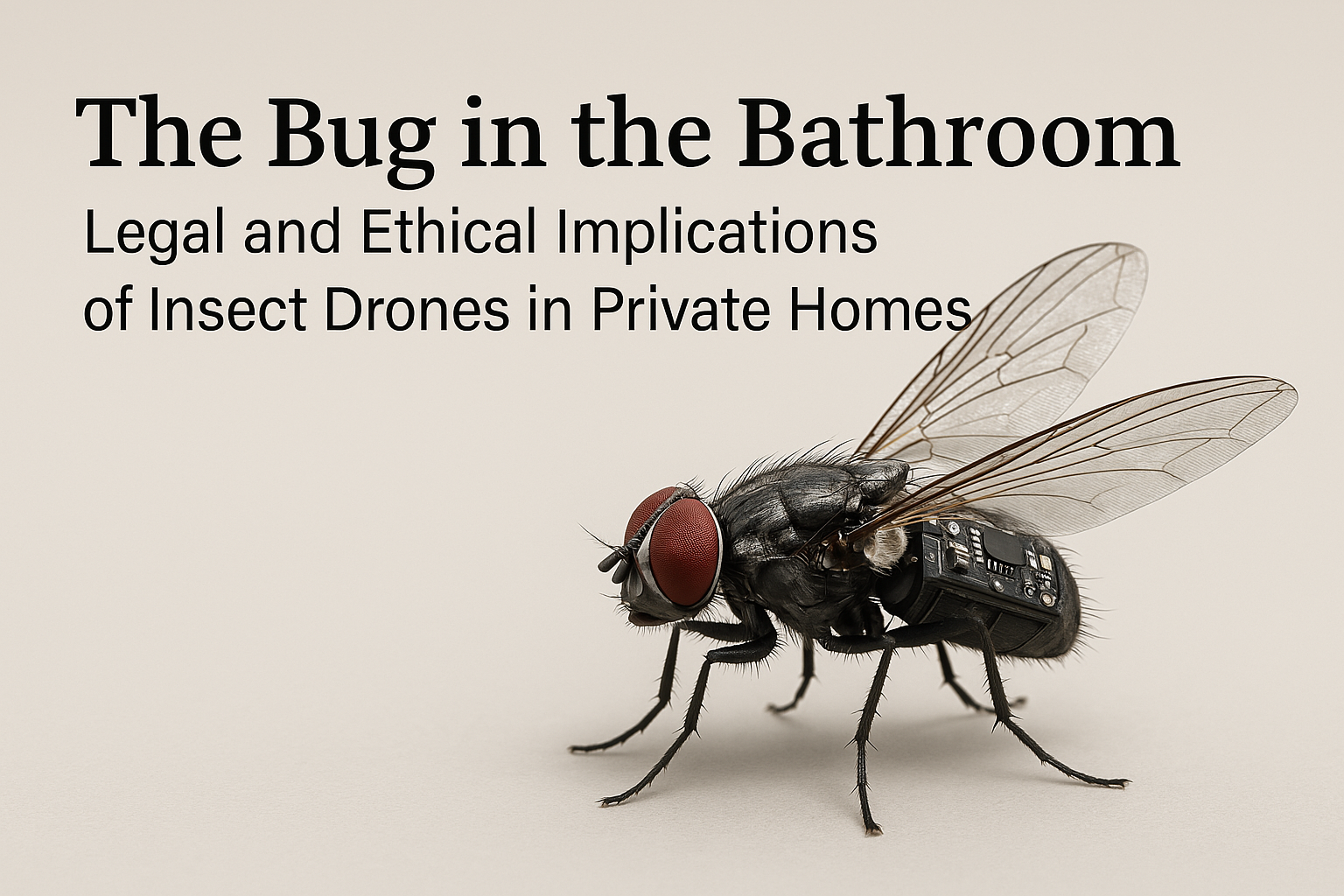
Bug in the Bathroom | Microdrone Security and Risk Implications
A first‑of‑its‑kind deep dive into biomimetic microdrones — the insect‑sized surveillance devices blurring the line between science fiction and present‑day security risk. This article blends technical analysis, legal insight, and real‑world anomaly detection to map the privacy, safety, and governance implications of microdrone intrusion. Through a startling personal encounter and parallel reports from another expert, it reframes a “fly in the bathroom” as a case study in emerging threat vectors, offering practical countermeasures, risk assessment guidance, and a clear message: preparation, not paranoia, is the path forward in a world where covert technologies are already here.